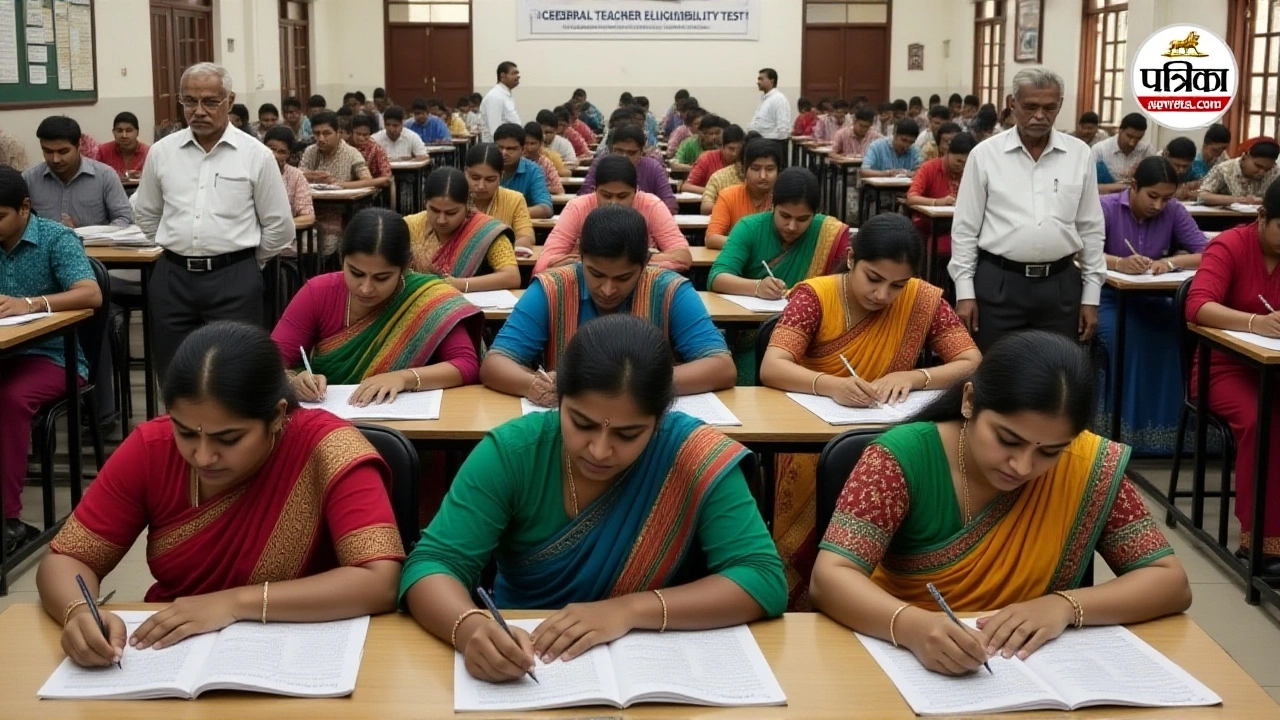
The Central Board of Secondary Education has dropped the bombshell: the CTET December 2025 exam won’t happen in December at all. Instead, it’s been pushed to February 8, 2026—a dramatic shift that’s caught thousands of aspiring teachers off guard. The notification, released on November 27, 2025, opened the registration window that same day, with applications closing on December 18 at 11:59 PM. For candidates across India’s 132 designated cities, this isn’t just a date change—it’s a timeline overhaul. And the stakes? High. Passing the CTET is the gatekeeper to teaching in Kendriya Vidyalaya Sangathan (KVS), Navodaya Vidyalaya Samiti (NVS), and other central government schools. No pass? No job. Period.
Why the Sudden Shift?
Historically, the CTET followed a predictable rhythm: December notification, January exam. But this year? Everything’s different. The December 2024 session had its notification in September, exam in December, results in January. Now, the December 2025 session is being held in February 2026. Why? No official reason has been given, but insiders speculate it’s to align with the academic calendar and avoid clashing with state teacher recruitment exams that typically ramp up in January. The move also gives candidates more time to prepare after the festive season—a rare consideration in India’s high-pressure exam ecosystem.
Who Can Apply? The Rules Are Clear
The CTET splits into two papers, each with strict eligibility. For Paper I (Classes I-V), you need at least 50% in Senior Secondary (12th grade) and must be enrolled in—or have completed—a two-year Diploma in Elementary Education. For Paper II (Classes VI-VIII), a Bachelor’s degree is mandatory, plus the same diploma. No exceptions. And yes, you must be at least 18 years old. The exam is conducted offline, on paper, with OMR sheets. No laptops. No phones. Just pencils, erasers, and nerves of steel.
One bright spot? The test will be offered in 20 languages, including Tamil, Telugu, Kannada, Punjabi, and even Kashmiri. That’s not just accessibility—it’s recognition of India’s linguistic diversity. Candidates from rural Bihar or remote Assam now have a real shot at competing on equal footing.
Timeline: What to Expect Next
Here’s the roadmap:
- Registration: November 27 – December 18, 2025 (11:59 PM)
- Admit Card: January 2026 (likely 10–15 days before exam)
- Exam: February 8, 2026 (Sunday, both Paper I and II)
- Answer Key: Late February 2026
- Results: March 2026
Applicants must visit ctet.nic.in—yes, the same site as always—to register. Upload a clear photo and signature (no selfies!), pay the fee via UPI or net banking, and download the confirmation page. No email reminders. No SMS alerts. If you miss the deadline, you wait another six months. No mercy.
Why This Matters Beyond the Classroom
The CTET isn’t just a formality. It’s a national benchmark for teacher quality, mandated by the National Council for Teacher Education (NCTE). With over 1.5 million applicants expected this cycle, the exam is one of India’s largest professional eligibility tests. A passing score doesn’t guarantee a job—but without it, you’re locked out of the entire central government teaching system. For many, especially women in small towns, this is the only viable path to stable, salaried employment.
And here’s the twist: last year’s pass rate hovered around 28%. That means more than 7 in 10 candidates walked away empty-handed. This year, with the exam moved to February, preparation time has stretched—but so has the pressure. Coaching centers in Patna, Bhopal, and Jaipur are already buzzing with new batches.
What’s Next?
The CBSE hasn’t hinted at whether this February schedule will become permanent. But if it sticks, it could reshape the entire teacher recruitment calendar. States might delay their own exams to avoid overlap. Universities may adjust their diploma course timelines. And parents? They’ll finally get a clearer view of when their child’s teacher might be qualified.
For now, the clock is ticking. December 18 isn’t just a deadline—it’s a turning point. One week after that, the real test begins: the wait for the admit card. And then, on February 8, over a million hopefuls will sit down with their OMR sheets, hoping their preparation beats the odds.
Frequently Asked Questions
Can I appear for both Paper I and Paper II in the same exam?
Yes. Candidates can opt for both Paper I and Paper II on February 8, 2026. You’ll take them back-to-back on the same day. The fee for both papers combined is ₹1,200 for general candidates (₹600 each). You must meet the eligibility criteria for both papers separately—no shortcuts.
What if I’m still completing my Diploma in Elementary Education?
You can apply if you’re in your final year of the Diploma. But you must submit proof of completion before the result declaration in March 2026. If you don’t, your score will be canceled. Many candidates have lost eligibility this way—don’t be one of them.
Is the CTET score valid forever now?
No. As of 2021, the NCTE revised the validity to seven years from the date of result declaration. So if you pass in March 2026, your score is valid until March 2033. After that, you’ll need to retake the exam to remain eligible for central government teaching posts.
Are there any changes to the syllabus for CTET 2026?
No major changes. The syllabus remains unchanged from previous cycles, based on NCTE guidelines. Focus areas include Child Development, Pedagogy, Language, Mathematics, and Environmental Studies. But pay close attention to the Information Bulletin—it includes sample questions and weightage distribution, which many candidates overlook.
Can I change my exam city after submitting the application?
No. Once you select your preferred city during registration, you cannot change it. The CBSE allocates centers based on application volume and logistics. If you applied from Lucknow but now live in Delhi, you still have to travel to Lucknow on exam day. Plan ahead.
What happens if I miss the December 18 deadline?
You’ll have to wait for the next cycle, which is expected in July 2026. There are no late fees, no extensions, and no exceptions. The portal shuts automatically at 11:59 PM on December 18. No warnings. No grace period. If you’re reading this after that date, you’ve missed it. Start preparing for July 2026 now.